
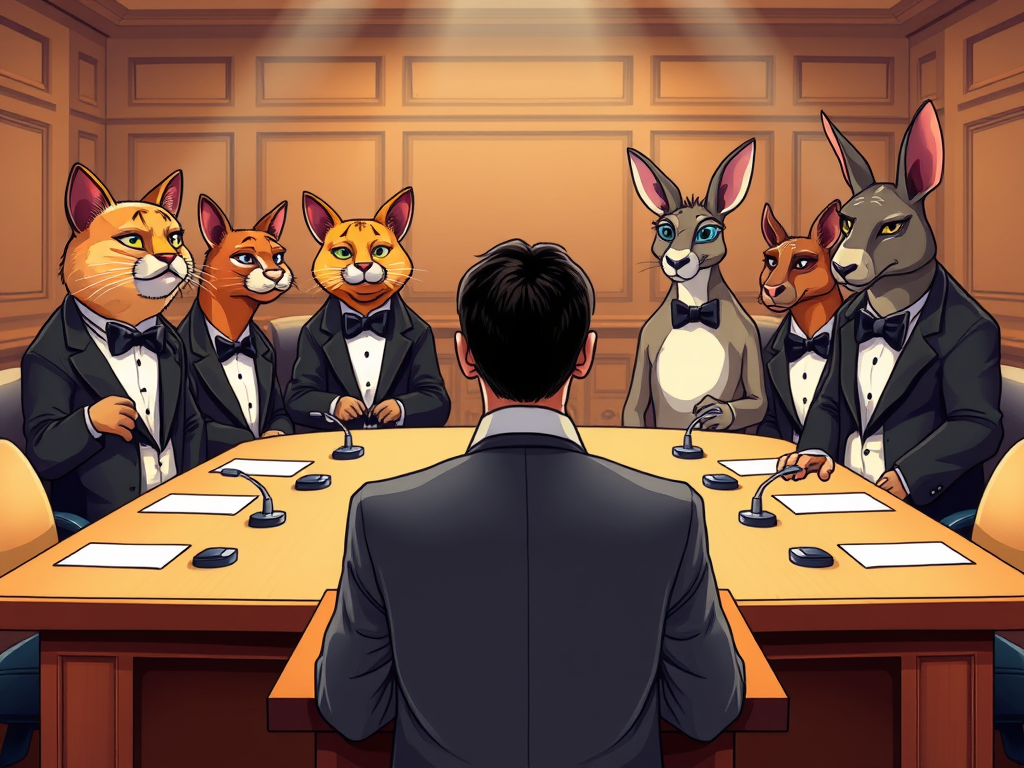
Remember that day in middle school civics class when they taught you how government works? They probably drew a neat little diagram. You vote for a representative. That person listens to what you want. They go to the state capital or town hall. They fight for you. It sounds nice. It’s comforting.
It is also completely fake.
What you were taught is “representative government.” What we actually have is “performative government.” It’s a theater production. They hold the meetings. They bang the gavels. They nod sadly while you complain about your property taxes at the microphone. The script for the play was written days ago. It was done in private by people who view you mostly as an annoying ATM. They see you as a source of funding for their real activities.
To understand how your town or state actually functions, you must ignore what they say at the podium. Watch what they do in the shadows. Here is the playbook of the people who really run things. This explains why your desires almost never make the final cut.
The “Rube” Narrative and the Performance
First, you have to understand how the people in power see you. There’s a concept in elite circles called “Rest Stop Disdain.” High-powered political types experience this feeling when they have to stop at a gas station. They have to interact with normal people there. They shake your hand at the county fair for a photo op while eating a corn dog. But privately, they see average taxpayers as “rubes”—people who don’t understand the “complexities” of big-boy business.
This disdain is why they can ignore the public outcry when they tear down a park to build condos. They convince themselves that you just aren’t smart enough to understand why it’s necessary. They will let you vent at a public meeting because it makes you feel heard. That’s the performance. Then they vote to do exactly what they planned anyway.
Gossip is the Real Money
If your vote isn’t the main currency in town, what is? Secrets.
In global politics, billionaires trade tips on the stock market. In your town, it’s the “Diner Counter Cabinet.” Power isn’t just holding office; power is knowing something before everyone else.
The real players trade “edge.” They know the high school football coach is getting fired three days before it’s on the news. They know which farm is being rezoned in secret for a Walmart. If you don’t have a juicy secret to trade, you aren’t welcome at the table where the real decisions happen.
Buying Immunity with a Scoreboard
Have you ever wondered why the sleaziest businessman in town never gets in trouble with the town council? Everyone knows he cuts corners.
It’s called “reputation laundering.” It’s a simple deal. The bad actor knows they are disliked, so they buy protection. They donated the new electric scoreboard for the high school football field. They sponsor the 4th of July fireworks.
By doing this, they buy “goodwill.” When that developer suddenly needs a rule bent, they aim to build something ugly right behind your house. The politicians won’t stop them. Why? Because they don’t want to upset the guy who paid for the scoreboard. Philanthropy is just a down payment for future forgiveness.
Stalking the Schedule
If you want to change something in your town, you probably go to the monthly town hall meeting. Rookie mistake. The decisions aren’t made there.
Real power relies on proximity—just being physically close to the decision-makers in informal settings. This is called the power of whereabouts. The most influential people aren’t the ones with the best arguments. They are the ones who know that the Planning Board chair plays golf every Thursday at 7:00 AM. They also know that the State Senator always drinks at the same bar on Tuesday nights.
The deals are cut in golf carts and bar booths. The public meeting is just where they announce what they decided over beers two days ago.
The Club vs. You
On TV, Democrats and Republicans seem to hate each other. They yell and scream during debates. In local politics, that’s usually fake drama designed to keep you distracted.
Behind the scenes, there is a “Chamber of Commerce Mutual Aid Pact.” The Democratic mayor and the Republican opposition leader pretend to fight. But they are both members of the same Rotary Club. They have more loyalty to each other—to their shared status as “insiders”—than they do to you.
If an outsider runs for office, you will watch the established politicians from both parties team up to crush them. This happens when it is someone regular who actually wants to fix things. They have to protect the club from regular people crashing the party.
The Revolving Door
Finally, why do they do all this? For many, public service isn’t about serving the public. It’s a credentialing program.
It’s called the “Consultant’s Revolving Door.” The person who writes the town’s zoning regulations quits a year later. They become high-paid developers’ consultants. They help them get around the very rules they wrote. The State Senator retires and promptly becomes a lobbyist for the utility company they used to regulate.
They use their time in office to build a “Rolodex” of contacts that they can monetize later. You are paying their salary while they handle their post-government job interviews.
So, the next time you see a local politician passionately giving a speech, pause for a moment. They express care about the “will of the people.” Remember, it’s just a performance. You paid for the ticket, but you aren’t allowed backstage.
The “Velvet Rope” of Power: Organizational Nepotism

When you hear “nepotism,” you probably think of the Mayor hiring his idiot cousin. That’s amateur hour. The truly dangerous kind isn’t about bloodlines; it’s about obedience lines. This is “Organizational Nepotism.”
This is how the machine decides who gets a seat at the table. It also determines who gets left standing in the parking lot. It is a systematic way of filtering out anyone who actually tries to change things.
Cloning the Mindset, Not the DNA
Real power brokers don’t want the smartest person in the room. They don’t want the person with the best ideas. They want the “Safe Pair of Hands.”
When a seat opens up on the School Board or the Zoning Commission, the insiders don’t look for a reformer. They look for a clone. They want someone who thinks like them. This person should talk like them. Most importantly, they shouldn’t ask embarrassing questions that make the meetings run late.
If you are a brilliant community leader, you will never get that appointment. This will happen if you have a reputation for “rocking the boat.” They will choose the person who has been quietly nodding in the back of the room. They’ve done this for five years instead of you. Why? Because they know he won’t read the fine print. They aren’t hiring a colleague; they are hiring a rubber stamp.
The “Farm Team” Filter
Think of your town’s minor boards—the Library Trustees, the Beautification Committee, the Cemetery Board—as the minor leagues.
This is where the establishment “auditions” future leaders. But they aren’t testing for talent. They are testing for compliance.
- Did you vote the way the party chair told you to?
- Did you keep your mouth shut about the budget error?
- Did you wait for your turn?
If you pass these tests, you get “called up” to the Town Council or State Senate. If you try to actually fix the Cemetery Board, you are labeled “difficult,” and your political career ends right there. The organization only promotes people who have proven they value the system more than the result.
The “Fake Seat” Distraction
Sometimes, the public pressure is too high. The insiders have to give a seat to an outsider or a loud critic. This looks like progress, right? Wrong.
This is the “Kids’ Table” strategy. They will put the reformer on a “Blue Ribbon Commission” or a “Study Committee.” It sounds important. It has a fancy title.
But here is the trick:
That committee has no budget and no power.
They give the outsider a seat at a table that doesn’t matter. The critic is kept busy writing reports. No one will ever read these reports. Meanwhile, the real decisions happen in the back room among the “trusted” few. It’s a pacifier to keep the public quiet while the adults eat the real dinner.
About The Author

Discover more from Milford N.H. Voice
Subscribe to get the latest posts sent to your email.