
We are all taxpayers and parents. We share the same goals. We want to set our students up for success. We also want to make sure our hard-earned tax dollars are spent wisely. On the surface, the proposed $3.8 million local investment in the Milford Applied Technology Center (ATC) renovation sounds like a noble cause. We look at it from the perspective of financial advisors. We notice that the economy is heading in a different direction. This project is a massive financial commitment to a 20th-century economy. Here is why funding this construction project is a misdirected use of resources for both our students and our taxpayers.
1. The Speed of AI and Robotics.
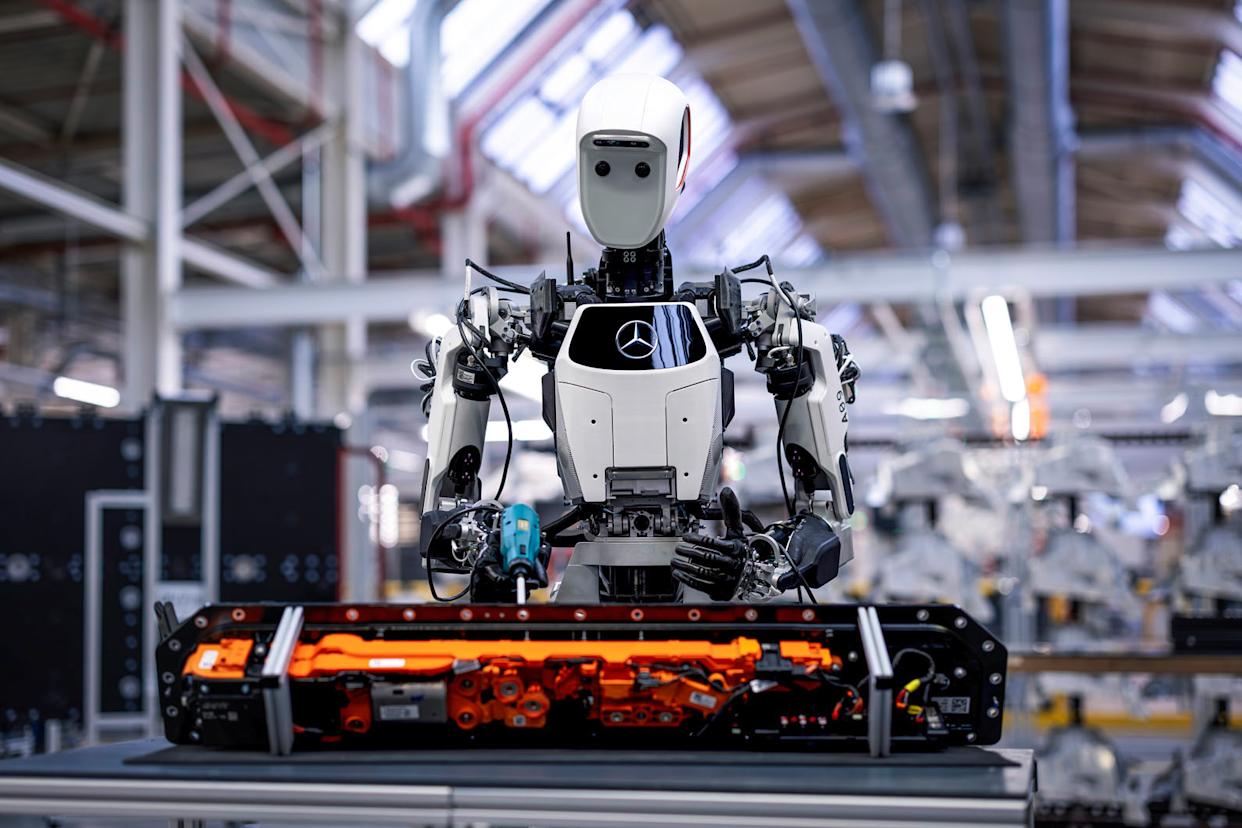
We often think of Artificial Intelligence as something that only affects computer programmers or office workers. But the reality in 2026 is much different. Advanced robotics and AI are rapidly moving into the physical world. According to recent economic data from Oxford Economics, up to 20% of the U.S. workforce is highly exposed to physical robotics and automation over the next decade or two. In sectors like manufacturing and logistics, more than 50% of roles will be replaced by automation. These are exactly the kinds of trades CTE programs often prepare students for. Many roles will also be heavily reduced. We spend millions on heavy machinery. We invest in traditional workshops and brick-and-mortar expansions. Essentially, we are building a modern Blockbuster Video just as streaming is taking over. We are training students for jobs that won’t exist in the future. These jobs will also look entirely different by the time students are five years into their careers.
2. The Reality of Completion Rates.
When analyzing any investment, we have to look at the success rate. The unfortunate reality is that the long-term completion and retention rates for many vocational and college tracks remain low. Many students concentrate on CTE courses in high school. A significant percentage of them do not go on to pursue advanced certifications. They often do not finish the certifications needed to turn those specific trades into lifelong, high-paying careers. If we take on millions of dollars in local bond debt, we heavily burden taxpayers for decades. This debt funds a highly specialized facility. The program statistically sees only a fraction of its students cross the finish line into that field.
3. A Bad Deal for Taxpayers and Students.
As a civic investment, this fails the long-term stress test. A building bond takes decades to pay off. But the physical technology and machinery inside that building will be obsolete in just a few years. This is due to the explosive growth of AI. Instead of pouring $3.8 million of local money into concrete, exhaust systems, and soon-to-be-outdated equipment, our educational model should pivot. The students who will survive the AI wave will not focus on knowing how to run a specific 2024 machine. They will instead develop adaptable skills for the changes AI brings. Successful students will learn to manage AI systems. They will solve complex problems. They will also leverage the human-centric skills that robots can’t replicate.
The Bottom Line:
Voting against this construction project is not a vote against our students. In fact, it is the exact opposite. It is a vote to protect our kids. We must prevent them from being funneled into a false sense of security about the future job market. It is also a vote to prevent Milford taxpayers from paying decades of interest. The educational model is already expiring. Let’s pause. We need to look at the very real robotics revolution happening right in front of us. We should ask our district to come back with a plan that actually prepares our students for the future. This approach is better than doubling down on the past.
About The Author

Discover more from Milford N.H. Voice
Subscribe to get the latest posts sent to your email.