
Imagine your small town. You know everyone at the grocery store. Friday night football games feel like huge neighborhood parties. Now, picture that town starting to change. You see more and more houses popping up. Apartments are built where empty lots used to be. Suddenly, everything feels a little different. This change occurs when housing density increases. It can seem like a good idea on paper, but it can bring real challenges to small-town life. It’s a place where planners claim prosperity for all. Yet, prosperity is only for the large landowners, developers, and bankers/financiers. Property values of single-family homes rise slowly and decline faster than those of non-density neighbors and competitors.

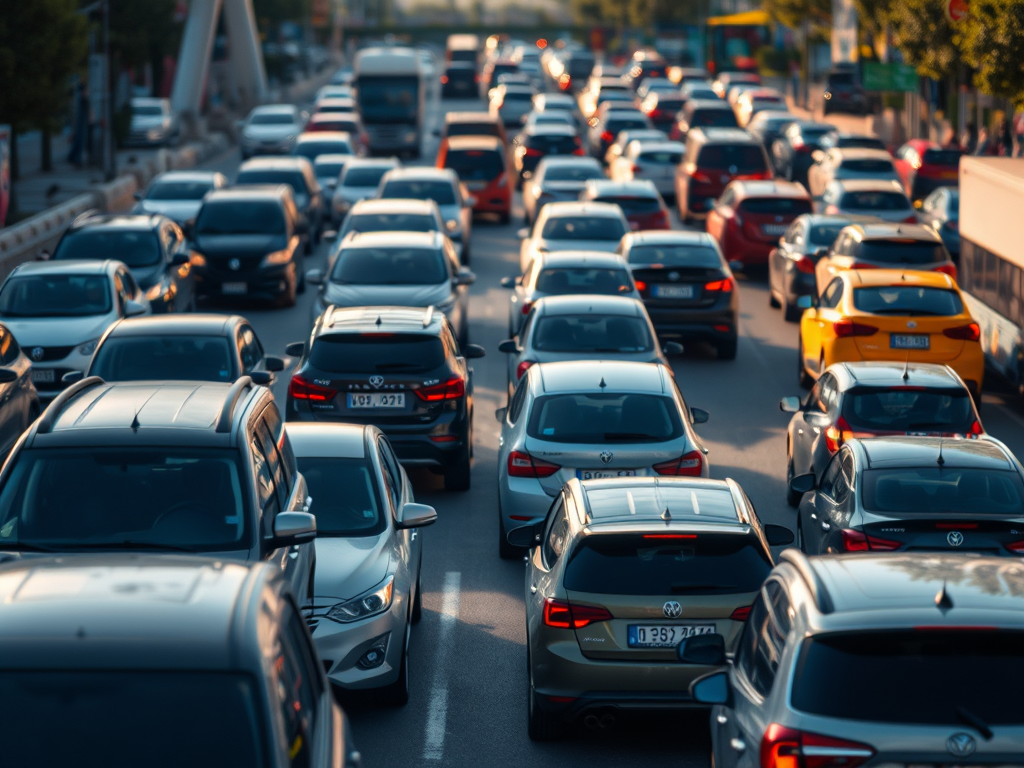
One of the most obvious changes is traffic. Suddenly, roads that used to be quiet are now clogged with cars. More people living in the same area means more vehicles on the road, especially during rush hour. That means longer commutes, more frustration, and even safety concerns. Consider this: with more cars, the likelihood of accidents rises. This is especially true for kids walking or biking to school. The simple act of going to the store or picking up a friend can turn into a stressful ordeal. This increase in traffic can also lead to more pollution, affecting the air we breathe and the community’s overall health.

Another issue with increased housing density is a potential crime increase. It’s important to remember that more people don’t automatically mean more crime. Nonetheless, studies suggest that denser populations can sometimes lead to a rise in certain offenses. In a small town, everyone knows each other, and there’s a strong sense of community watchfulness. As a city grows, that sense of familiarity can weaken. It is harder to keep track of who belongs and who doesn’t. This can create opportunities for petty theft, vandalism, and other minor crimes. These offenses can erode the feeling of safety and security. Small-town residents cherish that feeling.

Finally, increased housing density can strain community resources and increase costs. Schools become overcrowded, requiring towns to build new schools or add classrooms. Emergency services like police and fire departments need to expand to cover the larger population, which means higher taxes. Roads and other infrastructure need upgrades to handle the increased traffic and wear and tear. These things can add up to a significant financial burden on the town and its residents. There is also the less easily quantifiable loss of small-town atmosphere. Things like the ability to know your neighbors and the ability to find quiet spaces can be lost.

It’s important to note that growth isn’t necessarily a bad thing. Small towns need to evolve to survive. But, this growth must be managed thoughtfully and responsibly. Towns should work with developers and residents to create plans that tackle the potential challenges of increased density. This involves investing in public transportation, creating more green spaces, and maintaining that essential small-town feel. By planning and being proactive, small towns can grow in a way that benefits everyone and preserves their unique qualities.
About The Author

Discover more from Milford N.H. Voice
Subscribe to get the latest posts sent to your email.